
The Vital Role of Vitamins and Minerals in Healthy Aging
In the quest for a longer, healthier life, the importance of proper nutrition cannot be overstated. In a study by Dr. Bruce N. Ames, Emeritus of the Department of Molecular and Cell Biology at the University of California, Berkeley, the critical role of vitamins and minerals (V/M) in promoting healthy aging is highlighted.
The Power of Resolvins: Navigating Pain Management and Inflammation Resolution
Pain, a universal human experience, manifests in various forms, each signaling different underlying mechanisms. Dan Murphy’s elucidation distinguishes three primary types: nociceptive, inflammatory, and neuropathic pain. Nociceptive pain arises from tissue stimulation without damage, while inflammatory pain results from tissue injury, and neuropathic pain stems from nerve damage itself.
Choosing the Right Path for Neck Pain: Insights from a National Study
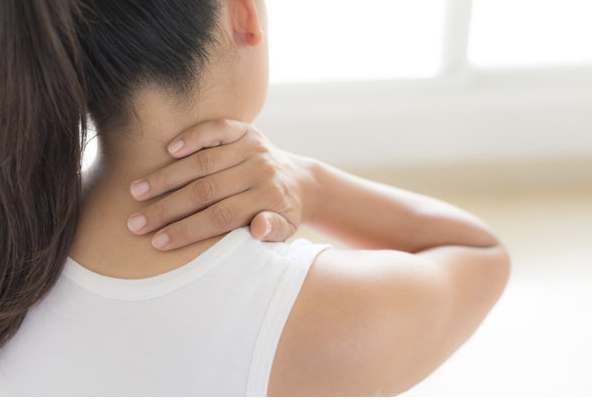
Neck pain is a common ailment that affects millions worldwide, causing limitations in daily activities and substantial economic burdens. When neck pain strikes, the first healthcare provider you see can significantly impact your treatment journey and outcomes.
8 Lifestyle Factors That Could Add Decades to Your Life

There’s this recent study that got published in The American Journal of Clinical Nutrition, and it’s shedding light on how the choices we make in life impact how long we stick around, especially for United States veterans. It’s led by researchers from the Illinois College of Medicine, Harvard Medical School, and Emory University. And what they’re really getting into is this idea of prevention when it comes to estimating how long we’re gonna live.
Which area of your brain is failing? Look at your symptoms
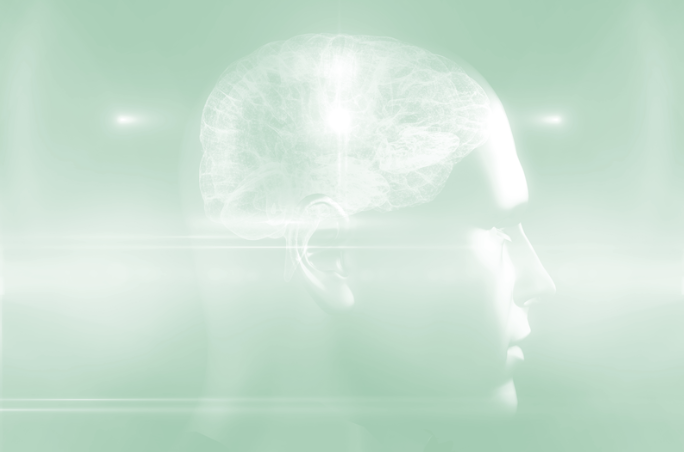
The brain is divided into sections, each in charge of different functions although all working together. In functional neurology, we can identify areas of poor brain function and help you get them working better again with customized therapy and rehabilitation.
The Long-Term Impact of Traumatic Brain Injury
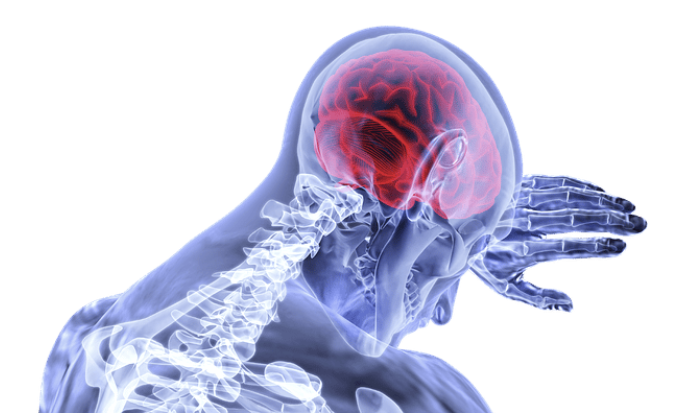
In a study funded by the National Institute of Neurological Disorders and Stroke (NINDS) and the National Football League (NFL) Scientific Advisory Board, researchers delved into the long-term effects of traumatic brain injury (TBI) on 1,264 subjects. This investigation, spanning 1 to 7 years post-injury, sheds light on the dynamic nature of TBI and challenges traditional perceptions of recovery.
Unraveling the Connection Between Weather Conditions and Osteoarthritis Pain

The study, comprising 14 diverse studies, sheds light on the relationship between various weather elements and OA, emphasizing factors such as barometric pressure, precipitation, relative humidity, hours of sunshine, and temperature.
Multivitamin Supplementation Boosts Memory in Older Adults

A recent clinical trial published in the American Journal of Clinical Nutrition reveals promising findings on the impact of daily multivitamin supplementation on memory in older adults.
Embracing the Winter Solstice: A Personal Ritual of Reflection and Growth

The winter solstice, occurring on December 21st, signifies the shortest day and longest night as the Earth in the northern hemisphere reaches its maximum tilt away from the sun. In modern cultures, this period is often viewed as gloomy, but with a positive perspective, it marks the beginning of gradually lengthening daylight, imperceptibly gaining seconds per day until March when daylight increases by several minutes.
The Hidden Risks of Sodas: Osteoporosis and Beyond

Soda can have an impact on bone health, diabetes, and more. It may be time to rethink your soda habits for a healthier you.