

Vitamin B 12 and Dementia. Are you at risk?
Hello,
This chilly weather has me thinking about two things, warm weather and Vitamin 12. The weather has not much to do with B 12, however I just reviewed a study on B 12 and Cognitive decline.
Cognitive decline is not typically acute; it tends to develop quietly and gradually over time.
Decades in the making, so don’t snooze on this.
A large study published in Alzheimer’s & Dementia (October 2025) followed nearly 2,000 adults from the Framingham Heart Study for over 14 years and found something both clearcut and alarming:
Higher vitamin B12 status from mid- to later life was associated with significantly slower cognitive decline.
This wasn’t about doing one round of B12 shots.
It wasn’t about taking a supplement for a few months.
And it wasn’t about getting a few IVs each year.
It was about maintaining healthy, functional B12 levels consistently over time.
Why it’s a BIG deal…
Participants entered the study around age 60 with no dementia. Researchers tracked memory, executive function, language, processing speed, and more.

Those with higher cumulative B12 levels experienced:
- Slower decline in memory, language, and executive function
- Faster processing speed
- Less white matter damage and tau burden
- Lower homocysteine and methylmalonic acid (MMA), both linked to neurotoxicity
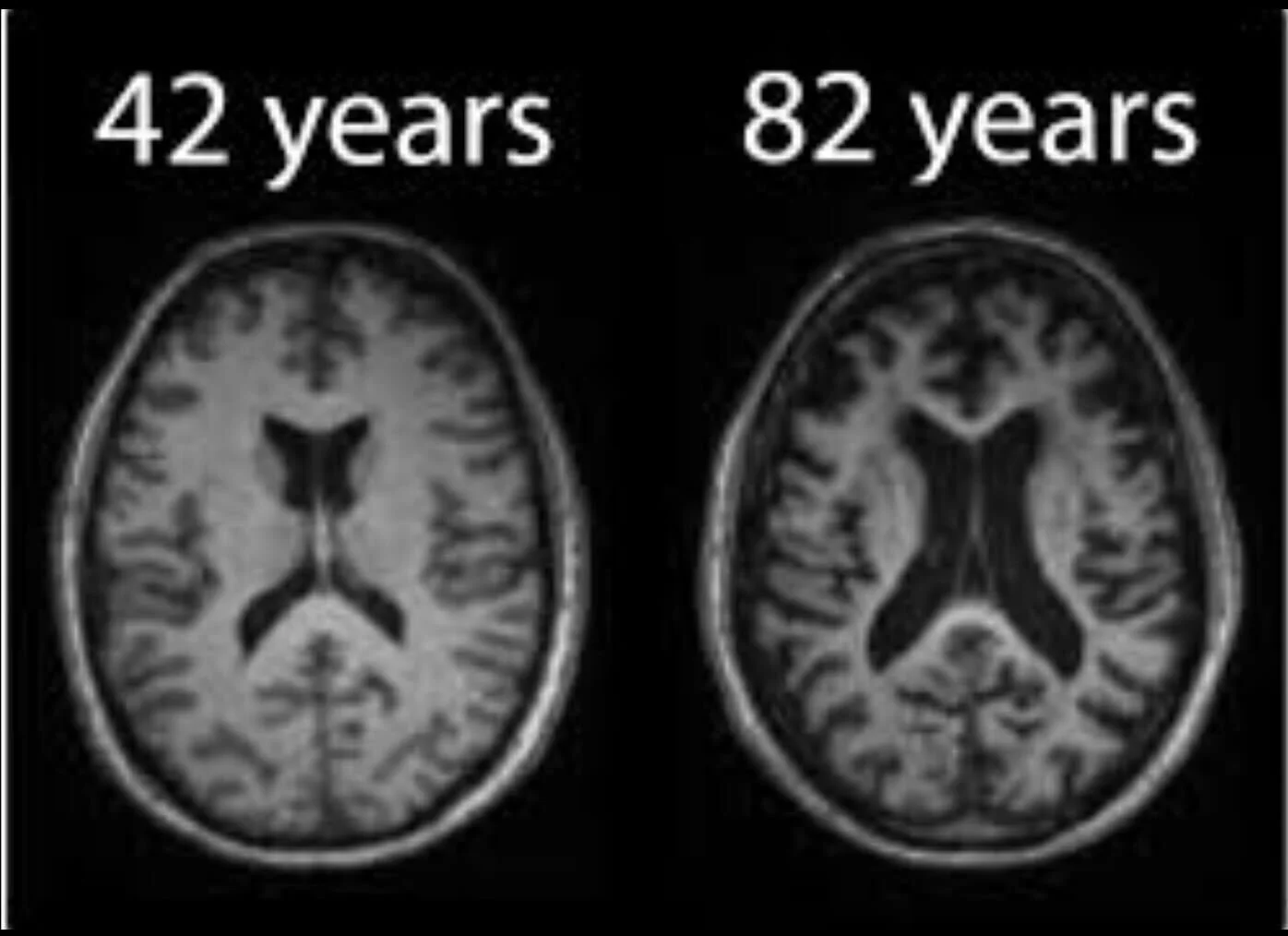
In short: the brain aged more slowly. That’s some crazy stuff.
Stay with me this is IMPORTANT.
This part isn’t in the study—but it shows up in real life all the time.
People notice things like:
- forgetting names more often
- losing their train of thought
- struggling to recall words
- rereading the same paragraph
And they tell themselves:
“I’m just getting older.”
“This is normal.”
For sure Aging does not help, but it is not the whole story.
Sometimes it’s a nutrient-dependent process quietly drifting off track due to neglect or bad medical advice.
The B12 testing mistake almost everyone makes
One of the most important (and overlooked) findings from this paper:
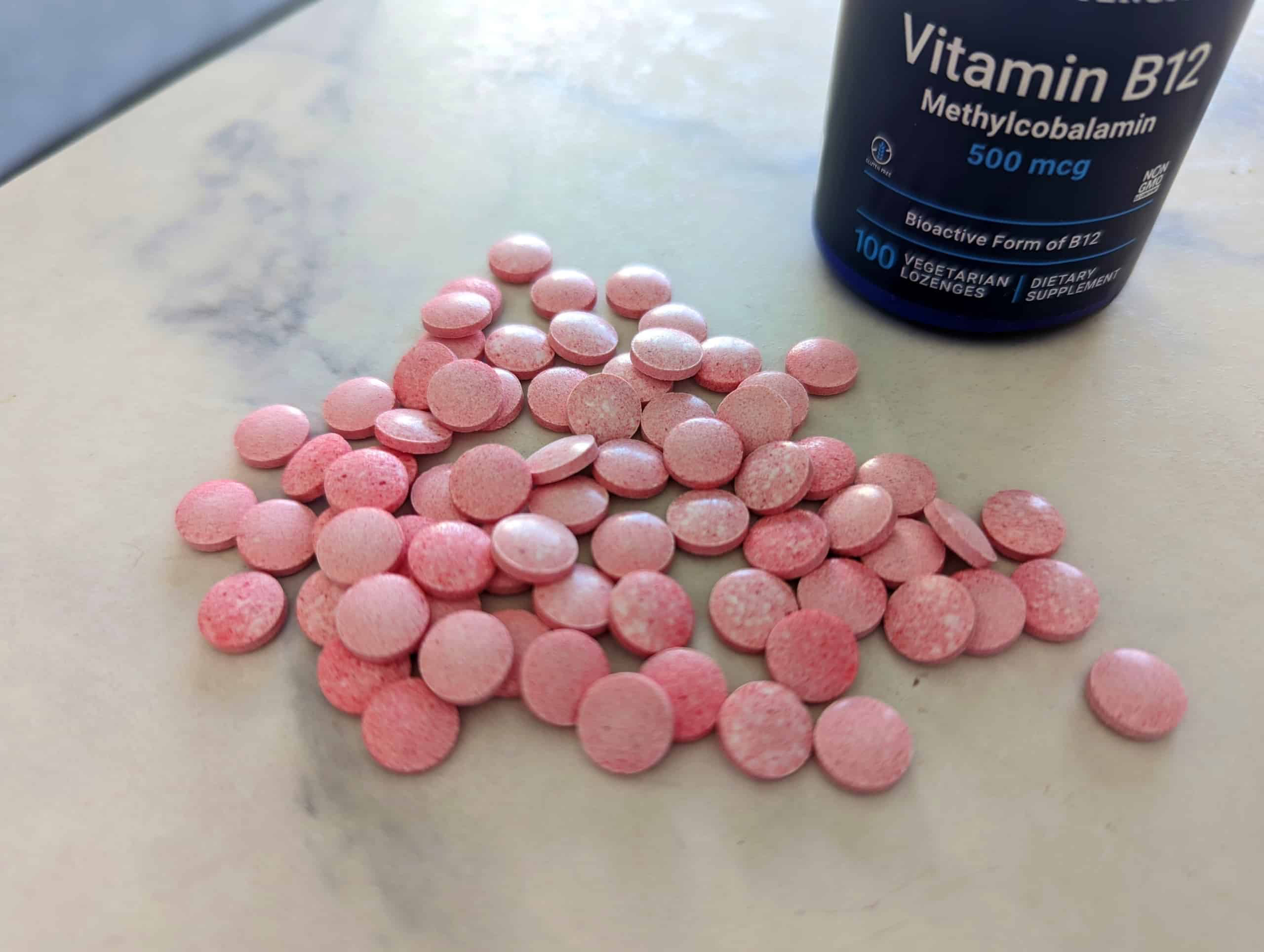
> Serum B12 alone is a poor and insensitive measure of true B12 status.
Serum B12 can look “normal” even when B12-dependent pathways are struggling at the cellular and neurological level.
That’s why the researchers looked at multiple markers together:
- Cobalamin (serum B12) – a rough screening tool
- Methylmalonic acid (MMA) – rises when B12-dependent metabolism isn’t working
- Homocysteine – a functional marker tied to vascular damage and brain atrophy
All three tracked with cognitive decline.
### One more lab clue that often gets overlooked: MCV
There’s another marker that quietly hints at poor B12 utilization, and it’s already on most routine blood work.
MCV (mean corpuscular volume) measures the size of your red blood cells.
When B12 utilization is low, red blood cells tend to get larger.
That’s because B12 is required for proper DNA synthesis during red blood cell formation.
Here’s the sitch:(that’s situation, so don’t reply that I have a spelling error)
- Lab “normal” ranges for MCV are very broad
- Values can creep up for years and still be labeled normal
- Mild macrocytosis (that’s big red blood cells) is often dismissed unless anemia is present
So someone may be told everything looks fine—even as B12-dependent processes are already taxed.
MCV doesn’t diagnose a B12 problem by itself, but when it trends high alongside symptoms, homocysteine, or MMA, it becomes an important piece of the puzzle.
### The folate–B12 paradox
The study also confirmed a clinically important pattern:
- Low B12 combined with high folate (≥20 ng/mL) worsened cognitive decline
- The negative effect of low B12 was about twice as strong when folate was elevated
High folate can mask a B12 deficiency, allowing neurological damage to continue quietly—especially when homocysteine metabolism is disrupted. I learned this over a decade from one of my mentors, Dr. Wally Schmidt.
More folate isn’t always better if B12 isn’t truly adequate.
Why diet alone doesn’t solve this
Dietary intake of B12 was not strongly correlated with B12 status.
Common reasons include:
- Reduced stomach acid
- Atrophic gastritis
- Acid-suppressing medications
Translation: you can eat enough B12 and still not absorb or use it well.
The bigger picture
Even small delays in cognitive decline matter. Over time, they preserve memory, language, independence, and quality of life.
This study reinforces that:
- B12 status is a modifiable risk factor
- The window for impact opens long before symptoms are obvious
- And “normal labs” don’t always mean optimal function
---
Bringing it home
If you’ve ever been told your labs are “normal,” but:
- your MCV has been creeping up
- your homocysteine has been elevated
- your memory or mental clarity feels different
- or you’ve chalked it all up to aging
-Your MD had not read this study
it may be worth taking a closer look.
If you want help figuring out whether B12 could be part of your picture—or whether what you’re already doing actually makes sense—just reply to this email and let us know.
A real human will read it, and we’ll help you sort through it.
In Health,
Dr. G