
Omega-3 Supplementation Reduces Aggressive Behavior
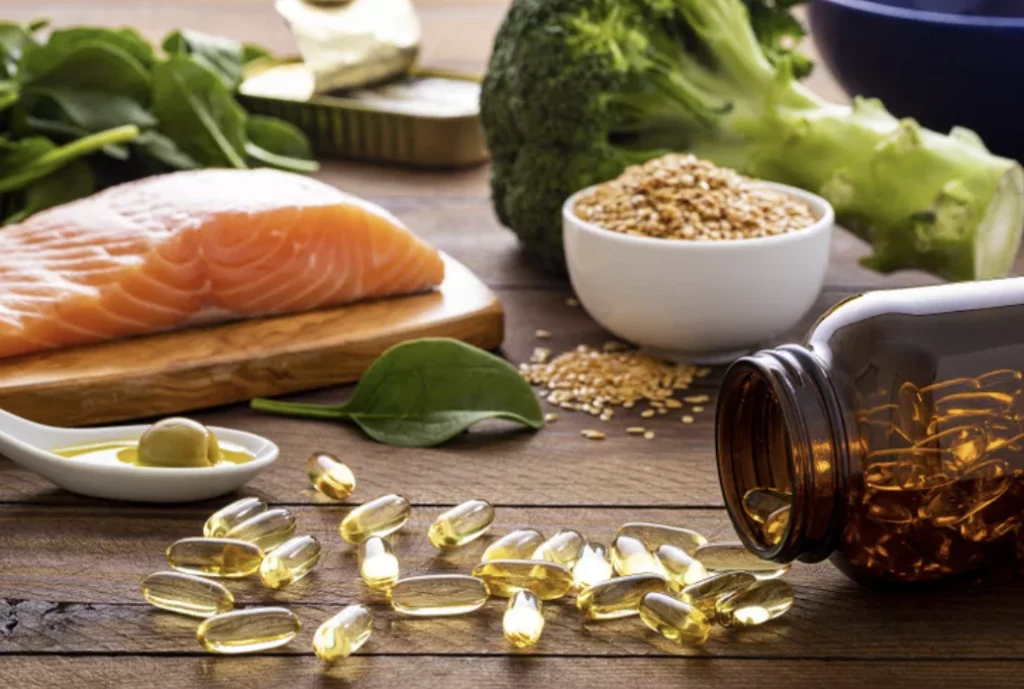
Omega-3 supplements have shown promise in reducing aggressive behavior, according to a recent meta-analysis of 29 studies involving nearly 4,000 participants. The research suggests that omega-3s, especially DHA, play a key role in brain health, potentially lowering impulsive and aggressive tendencies. With additional mental and physical health benefits, omega-3 supplementation offers a low-cost, safe option for managing aggression across different age groups.
The Link Between Omega-6/Omega-3 Ratios and Mortality
The researchers found that higher levels of omega-3 and omega-6 polyunsaturated fatty acids (PUFAs) in plasma were linked to lower mortality rates. Specifically, omega-3 PUFAs, commonly found in fish, fish oil, flaxseed, and walnuts, showed a stronger inverse association with all-cause, cancer, and cardiovascular mortality. However, an elevated ratio of omega-6 to omega-3 fatty acids was associated with an increased risk of death from these causes.
Unlocking the Link: Vitamin D Deficiency and Low Back Pain
In a recent study published in Anesthesia Essays and Researches, the potential link between Vitamin D deficiency and pain severity in patients suffering from low back pain (LBP) was investigated. This study aimed to understand if there’s a relationship between the two factors
The Vital Role of Vitamins and Minerals in Healthy Aging
In the quest for a longer, healthier life, the importance of proper nutrition cannot be overstated. In a study by Dr. Bruce N. Ames, Emeritus of the Department of Molecular and Cell Biology at the University of California, Berkeley, the critical role of vitamins and minerals (V/M) in promoting healthy aging is highlighted.
The Power of Resolvins: Navigating Pain Management and Inflammation Resolution

Pain, a universal human experience, manifests in various forms, each signaling different underlying mechanisms. Dan Murphy’s elucidation distinguishes three primary types: nociceptive, inflammatory, and neuropathic pain. Nociceptive pain arises from tissue stimulation without damage, while inflammatory pain results from tissue injury, and neuropathic pain stems from nerve damage itself.
The Hidden Risks of Sodas: Osteoporosis and Beyond

Soda can have an impact on bone health, diabetes, and more. It may be time to rethink your soda habits for a healthier you.
The Potential Role of Vitamin D in COVID-19: What You Need to Know
What is the potential of vitamin D in the fight against COVID-19: Explore the science behind its immunomodulatory effects, the link between deficiency and severe outcomes, and the cost-effective strategies that could reshape our approach to the pandemic.
Unlocking the Secrets of Melatonin: More Than Just Sleep

From its role as a ‘hormone of darkness’ to its impact on health, immune support, and beyond, melatonin is nature’s versatile secret. Explore its fascinating world and learn how it can enhance your well-being.