
What starts as a mild ache can evolve into serious pain that affects how you sit, move, sleep, exercise, and even think. Many people spend years trying to manage the pain, cycling through temporary fixes that never quite solve the problem.
At Apollo Health, we offer a truly comprehensive level of care. Patients work directly with Dr. Giudice to uncover the true drivers of lower back pain and build a plan for long-term recovery. By focusing on brain, body, and biochemistry, we’re able to restore balance to your body and improve your quality of life.
Lower back pain rarely appears overnight. In most cases, it develops gradually, often starting with a small imbalance or minor injury that goes unaddressed.
A slight shift in posture. A weak stabilizing muscle. A joint that isn’t moving quite right. These small dysfunctions may not seem significant at first, but over time, they begin to compound.
Your body is constantly adapting. If one area isn’t functioning properly, other areas will compensate. The result is increased stress on the spine, surrounding muscles, and connective tissues. Eventually, those compensations break down.
This is when pain becomes more persistent. What once only flared up occasionally may now feel constant. Movements that used to feel natural (bending, lifting, twisting) become guarded or painful. Without addressing the underlying cause, this cycle continues. The body adapts further, dysfunction spreads, and the pain becomes more deeply ingrained.


Lower back pain can come from a wide range of sources, and in many cases, it’s not just one single cause, but a combination of factors that build over time. With Dr. Giudice, you’ll be able to pinpoint exactly what’s going on.
Athletic activity places repeated stress on the body, especially when movement patterns aren’t optimal. This is particularly true in sports that require rotation, impact, or prolonged positioning.
Equestrian athletes, for example, experience unique demands on the spine due to the constant need for stability, balance, and controlled movement while riding. Over time, even subtle asymmetries can lead to strain in the lower back.
Other sports — such as running, golf, tennis, and strength training — can also contribute to lower back pain when biomechanics are off or recovery is insufficient.
Modern lifestyles often involve long hours sitting at a desk. While this may not seem physically demanding, prolonged sitting can significantly impact spinal health.
Sitting for extended periods can:
Over time, these changes alter posture and movement patterns, setting the stage for chronic lower back discomfort.
Excess weight, particularly around the midsection, can increase the mechanical load on the spine. But beyond that, metabolic health plays a role as well.
Inflammation, blood sugar instability, and hormonal imbalances can all affect how tissues heal and respond to stress. This means the body may be more prone to pain, slower to recover, and more sensitive to strain.
Even relatively minor car accidents can create lasting effects in the body. Whiplash, for example, doesn’t just affect the neck — it can disrupt spinal alignment and nervous system function throughout the body.
These disruptions can alter movement patterns, create instability, and contribute to chronic lower back pain long after the initial injury.
Sometimes the source of lower back pain isn’t actually in the lower back.
Issues in the feet, hips, thoracic spine, or even the jaw can influence how forces move through the body. When these areas aren’t functioning properly, the lower back often compensates.
This is why treating only the site of pain often falls short. To truly resolve lower back pain, you have to look at the entire system.
Many approaches to back pain focus on symptom management. This might include rest, medication, injections, or generalized physical therapy. While these strategies can provide temporary relief, they often don’t address why the pain developed in the first place.
At Apollo Health, the focus is different. The goal of our Pain & Performance program is not just to reduce pain but to understand it.
A root-cause approach asks deeper questions:
By identifying and addressing these underlying drivers, care becomes more precise and results become more lasting.
This is how patients move beyond temporary relief and toward true resolution.

At Apollo Health, lower back pain is approached through a comprehensive framework known as the 3B Model: Brain, Body, and Biochemistry.
Three systems. Zero blind spots.
This model recognizes that pain is rarely the result of a single issue. Instead, it emerges from the interaction between multiple systems in the body.
The “Body” component focuses on the physical structures and mechanics of movement.
This includes:
When the body isn’t moving efficiently, certain areas, such as the lower back, take on more stress than they should.
The “Brain” represents the nervous system, which is the control center that coordinates movement and maintains balance. Even if the muscles and joints are structurally sound, poor communication from the nervous system can lead to dysfunction.
This includes:
So much of pain is related to the neurological side of the body.
The “Biochemistry” component looks at the internal environment of the body.
This includes:
If the body is inflamed or metabolically imbalanced, healing becomes more difficult, and pain can persist even when structural issues are addressed. By integrating all three systems, the 3B Model provides a level of insight and precision that most patients have never experienced.
Care at Apollo Health is structured, thorough, and highly individualized. Every step is designed to uncover the root causes of your pain and guide you toward meaningful recovery.
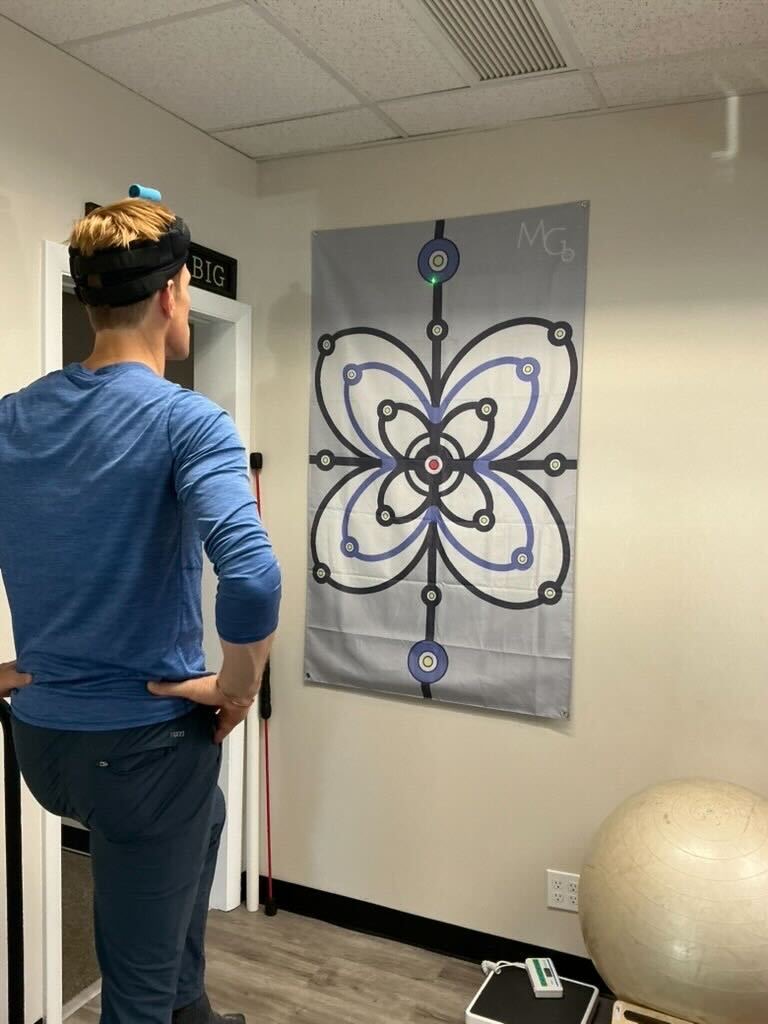
The process begins with a deep evaluation of how your nervous system is functioning.
This includes assessing coordination, balance, reflexes, and how different parts of your body communicate with one another. These insights help identify areas where the brain–body connection may be contributing to dysfunction.
Next, your movement patterns are carefully analyzed.
This goes beyond basic observation. It involves a detailed look at how you move during specific tasks, identifying compensations, asymmetries, and inefficiencies that place stress on your lower back.
Posture is also evaluated, as even subtle deviations can have a significant impact over time.
Once key issues are identified, hands-on care is used to address them directly.
This may include targeted manual therapy, joint mobilization, and soft tissue work — all designed to restore proper movement and reduce strain on the lower back.
The goal is not just to relieve tension but to create lasting structural change.
Finally, rehabilitation focuses on retraining the body and nervous system to work together more effectively.
This includes:
This step is critical. Without it, old patterns often return and so does the pain. By reinforcing new, more efficient patterns, patients build resilience and reduce the likelihood of future issues.
Lower back pain is one of the most common conditions people face, but that doesn’t mean it should be accepted as normal.
When care is limited to surface-level solutions, progress is often temporary. But when you take a comprehensive, systems-based approach, the path forward becomes much clearer. At Apollo Health, the goal is to provide a higher standard of care. Our methodology looks deeper, thinks differently, and delivers results that last.

You don’t have to keep managing your pain or wondering why it hasn’t gone away. With the right approach, your body has the capacity to heal, adapt, and move better than it has in years.
If you’re ready to take the next step, connect with Apollo Health and work with Dr. Giudice for advanced pain and performance care. Your recovery starts with understanding the root cause and building a plan designed specifically for you.