




You’re Not a Number. Let’s Talk Strategy.
But here’s the thing: homocysteine is just one piece of the puzzle. You’re not a number on a page — you’re a system. A person.
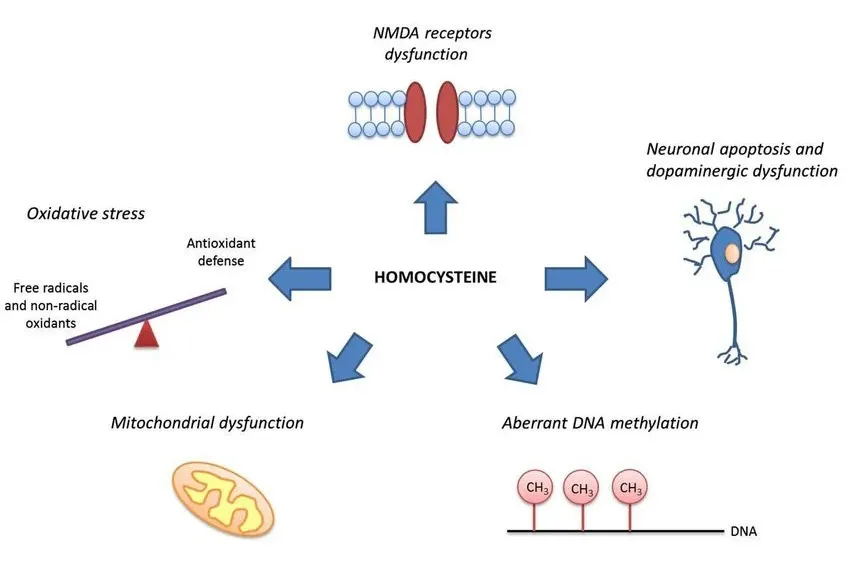
Homocysteine and Brain Health
One of the strongest links in the research? Elevated homocysteine increases your risk of silent brain infarcts and white matter lesions—both known to contribute to cognitive decline and dementia.

Summer Schedule and The Labs We Always Check (But Most Don’t)
There’s one lab marker I check on almost every patient—yet it’s rarely mentioned in standard care. It’s called homocysteine. And if it’s too high, it can quietly wreak havoc.

There’s More to Health Than Just Prescriptions. The Science Proves It
One of the most powerful — and least addressed — drivers of chronic disease is oxidative stress. This isn’t a wellness buzzword.

The Truth About MTHFR and Homocysteine – A Simple Breakdown
MTHFR plays a role in methylation, a process that helps your body detox, make neurotransmitters, and regulate homocysteine. But here’s the key point: MTHFR is just one piece of the puzzle.
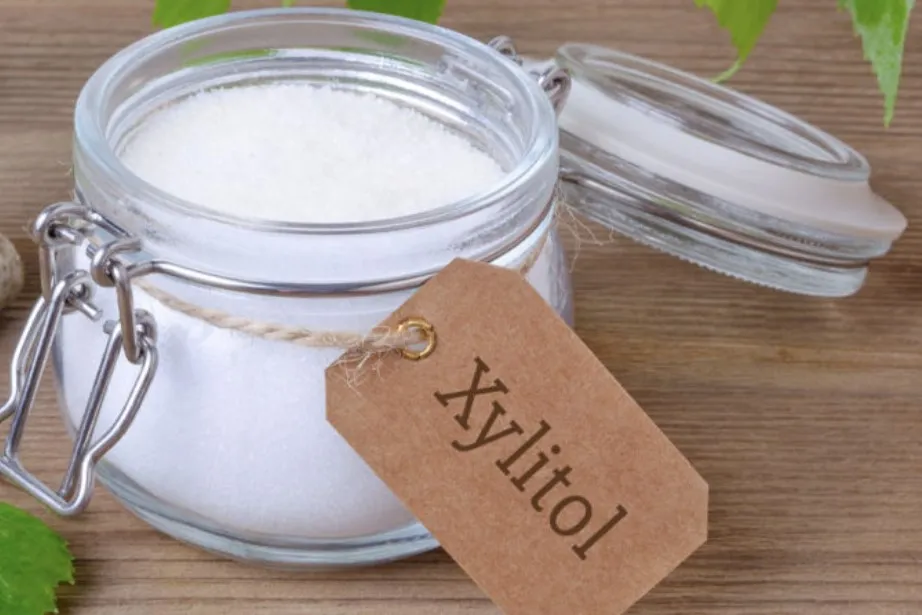
Xylitol: A Sweetener with Hidden Cardiovascular Risks
Xylitol, a popular sugar alcohol found in sugar-free gum, mints, toothpaste, and many low-calorie snacks, has long been praised for its ability to mimic the sweetness of sugar while offering fewer calories.

Clinical precision. Comprehensive strategy. Apollo Health delivers advanced and functional medicine from Mamaroneck, NY, serving Westchester County and patients nationwide through virtual care.
Quick Links
Conditions

2026 © Copyright. All rights reserved.